History & sacred tradition
The sacred history of the Maravoor Shri Mahadeva Siddhivinayaka temple.
Salutations to the embodiment of the universe; salutations to the bearer of the universe. Salutations to the one of all forms and all power; salutations and praise to Thee. Salutations, O bestower of the boon of devotion, O creator of all, salutations again and again. Salutations to my refuge, the fulfiller of all.
Maravoor Mahadeva Siddhivinayaka Kshetra — a creation of Parashurama: "Ashwatthama, Bali, Vyasa, Hanuman, Vibhishana, Kripa and Parashurama — these seven are the immortals (chiranjeevis)." By the power of his Shiva penance, Parashurama beheld Mahadeva Manjunatha in the sacred pit (rasakoopa) of the Kadri kshetra as Shekhara in the form of a child. Hurling his axe, he obtained from the Lord of the Seas this land stretching from Kanyakumari to Gokarna — and thus this region became the creation of Parashurama. It is believed that Parashurama of the solar dynasty, being immortal, dwells even today in the Himalayas. The Parashurama Kunda at the Kadri Jogi Mutt is the very place where he performed his Shiva penance. The eternal lamp (Nanda Deepa) that Parashurama lit then burns there even today. The ash of this Parashurama Kunda turns to gold for the devoted; for the dull-witted it remains mere ash. The Pandavas too built caves near the Kadri Jogi Mutt and, dwelling there for some time, worshipped and adored Manjunatha, who was dear to Parashurama — the guru of Bhishmacharya and of Karna, the son of Suta.
"In Krita Yuga, the glory of Renuka; in Treta, the glory of Sita; in Dwapara, the glory of Draupadi; and in Kali Yuga, glory in every home." With the Vaishnava bow obtained from Varuna, Parashurama slew the wicked Kshatriya Kartavirya, and later gifted that Vaishnava bow in a dream to Shri Rama, bidding him to protect dharma. When Ravana, disguised as a false ascetic, abducted the unprotected Sita from the forest and carried her away in the Pushpaka Vimana toward Lanka, Sita remembered the Vaishnava bow that Parashurama had given to Shri Rama for the protection of dharma. By the power of Sita's devotion to her husband, the Pushpaka Vimana came to fly over Parashurama Kunda; there, the saliva that Sita spat upon Ravana's face fell to the ground like a tongue of flame, and there it became "Sitakunda" — the well of Sita. In accordance with Parashurama's wish, through the masters of the Joginatha Siddha tradition, Ishwara came to dwell as Manjunatha at Kadri, and an aspect of Parvati as Mangala at Mangaladevi.
The very Lord of the Shiva-yogis himself, as Shiva Gorakshanatha, and his guru Matsyendranatha, in Vikramaditya Shaka 57, during the reign of King Rajabhartrihari and Gopichandra of the Rama lineage of Ujjain, journeyed from Kanchi Konda on a tour of the land, came to the south, and consecrated Mangaladevi at Mangalore and Manjunatha at Kadri. From the twelfth century, after the kingdom passed from the Hoysalas to the Banga rulers, and during the era when the Vijayanagara kings gave way to the Ikkeri kings and then to the Koodalamanasa period, the renovation of these Mangaladevi and Kadri Manjunatha temples took place. In the Koodalamanasa era this town became Koodala; from Vidya Mangala this town became Mangalore. In the Shiva Mahapurana, in the chapter where Brahma describes the incarnations of Shiva, it is told that Shiva himself, in the form of Goraksha, established the path of the yogis.
Historically — in 493 BCE, Shankaracharya, the founder of Advaita, was opposing the spread of Buddhism. The king of Ujjain had embraced Buddhism in his royal council, but his crowned queen stood for the Vedas. She brought Kumarila Bhatta to Kannalli and made her husband Sudhanva a follower of the Vedic dharma. In that era, great debates often took place between the followers of Buddhism and those of the Vedic path, and Koodalavala was ruled by King Koodalavanasemba of a Jain-following family. He followed the Natha Siddha tradition and is known to have renovated the Manjunatha temple at Kadri.
About 2028 years ago, Gorakshanatha and his guru Matsyendranatha stayed for some time at the Kadri Jogi Mutt. Later, as Gorakshanatha set out northward, while crossing the Phalguni river at Maravoor at dawn — in this very Maravoor Mahadeva Siddhivinayaka Kshetra — he consecrated the Mahadeva Linga among a grove of nelli (amla), bilva, banyan and ashvattha trees. At that moment the Phalguni river branched and curved toward them, becoming like a lake, and its Ganga-like waters made it fitting to worship Mahadeva at sunrise. Learning of this some time later, Koodalamanasa visited the place, was moved by the glory and grace of this spot, and, helping the Jain families of Maravoor, caused the Mahadeva Linga to be consecrated there. Later, in the order of the lineage, Ganapati and Nandi too were fashioned from stone and consecrated.
After many years, falling into the hands of rivals, the Jain family and this kshetra declined under the rule of various people. After a long time, when this kshetra came into the care of the Bunt community, the renovation of the Mahadeva Siddhivinayaka Kshetra took place. Toward the end, it is known that in the time of Tipu Sultan, evildoers plundered the temple's treasury and destroyed its buildings. From then until now, through the continued performance of dhupa rituals, this renovated Mahadeva Siddhivinayaka Kshetra was rebuilt, and the Brahma Kalasha was held on 30-4-71. The Maravoor family members, their relatives, and the devoted people of this and the neighbouring villages who made this possible have become recipients of the grace of Maravoor Mahadeva Siddhivinayaka. Salutations to Mahadeva; salutations again and again to Siddhivinayaka.
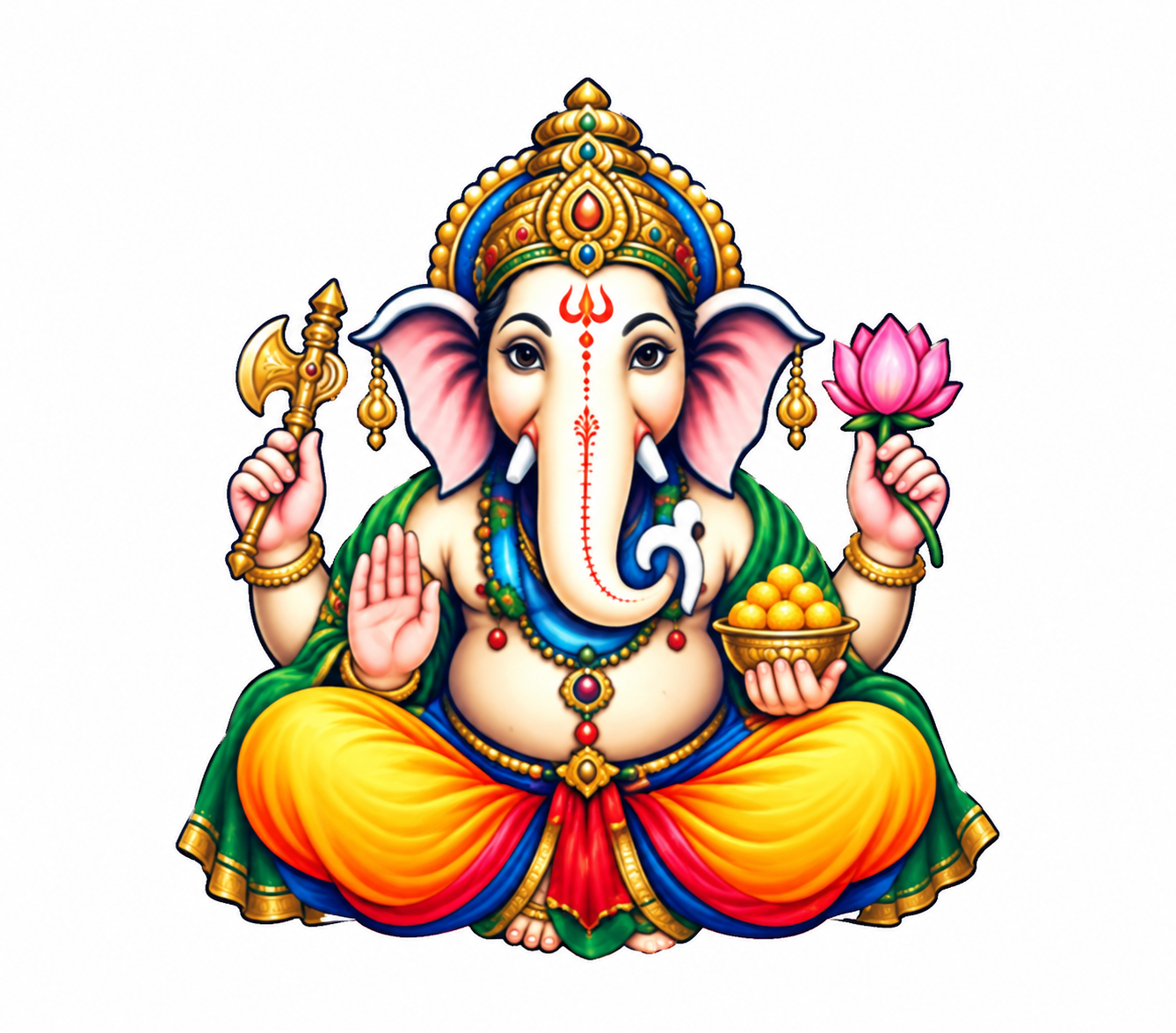
Maravoor Mahadeva Siddhivinayaka Jeernoddhara — through renovation comes blessing. Since the great presiding lord of this kshetra is Siddhivinayaka himself, one receives blessings and attainment (siddhi). For the protection of this kshetra and the Maravoor region, the guardian deities and all of Nandi's Shiva-marga stand watch; the very banyan tree (maravruksha) that Sita gave bears witness to the truth of this consecration. Since Maravoor Siddhivinayaka is the lord of learning for students, many students come here to offer their prayers and petitions, and the children who come again and again are blessed and cherished. Thousands of people, entrusting all their troubles to the divine father and mother of this kshetra, have found relief and live in joy. Whoever the people of this Maravoor region may be, before beginning any auspicious work they first pray to Maravoor Siddhivinayaka and only then proceed.
This English rendering of the Sthala Purana is provided for devotees; the original Kannada text, as supplied by the committee, is available through the language switch above.